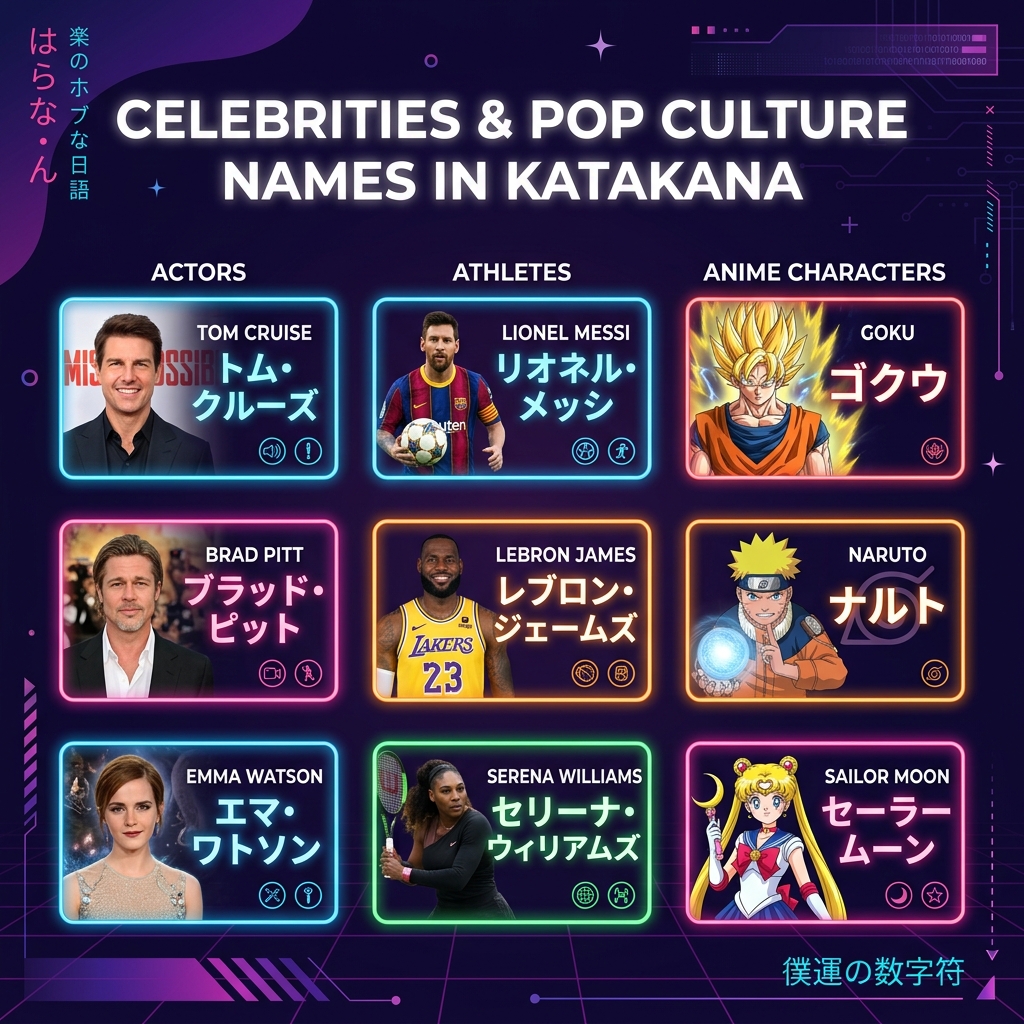
Why Study Celebrity Names in Katakana?
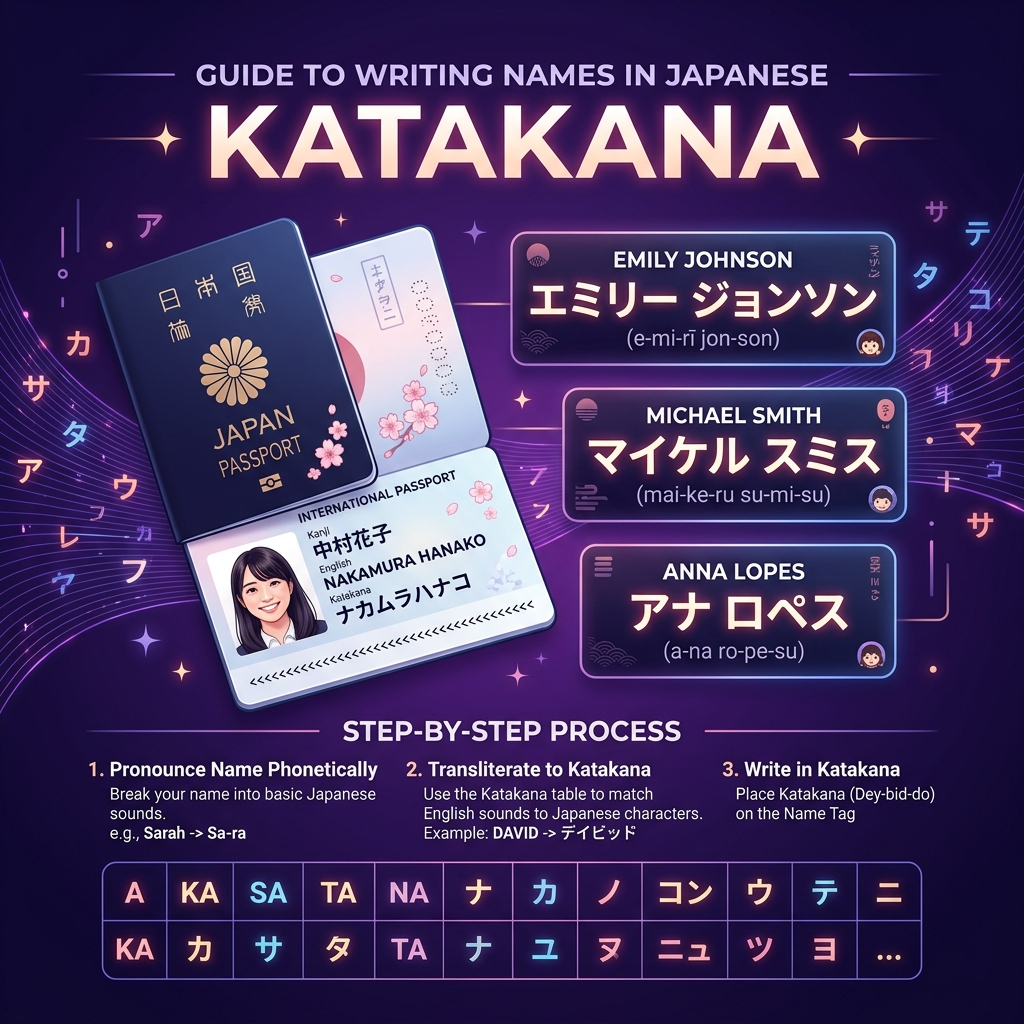
When foreign learners first attempt to write their names in Japanese, they often feel overwhelmed by arbitrary choices: "Should my name have a long vowel mark? Should I use a small tsu? Why does 'Michael' turn into Maikeru?"
The secret to mastering Japanese name transliteration is that the heavy linguistic lifting has already been done for you by decades of Japanese media. Movie posters, sports broadcasts, manga translations, and news outlets like NHK have spent over a century refining the exact rules for rendering foreign phonemes into natural, readable Katakana.
By studying how established celebrity names in Katakana are officially transcribed, you can identify repeatable phonetic formulas. If your name is Brad, look at Brad Pitt (ブラッド). If your name contains "James", examine LeBron James (ジェームズ). Before creating your own spelling, you can test it directly with our katakana converter or review our foundational guide on How to Write Your Name in Katakana to understand the core transliteration framework.
Category 1: Hollywood Actors & Filmmakers (8 Names)
Japanese movie distributors (such as Toho, Shochiku, and Warner Bros. Japan) meticulously standardize the Katakana spellings of foreign actors for theater marquees and official press releases.
| Celebrity | Official Katakana | Romaji Reading | Key Linguistic Feature |
|---|---|---|---|
| Tom Cruise | トム・クルーズ | to-mu ku-rū-zu | Uses the chōonpu dash (ー) to elongate the "Cruise" vowel, avoiding an awkward short "kruzu". |
| Brad Pitt | ブラッド・ピット | bu-rad-do pit-to | Employs double consonants (ッ) in both names (Brad → ブラッド, Pitt → ピット) to capture abrupt English stops. |
| Emma Watson | エマ・ワトソン | e-ma wa-to-son | "Emma" uses a single M-sound (エマ) rather than a clumsy double consonant. "Watson" takes the cushioning vowel [o] for the T (ワト). |
| Leonardo DiCaprio | レオナルド・ディカプリオ | re-o-na-ru-do di-ka-pu-ri-o | Highlights the modern extended Katakana combination ディ (di) instead of traditional archaic ヂ. |
| Scarlett Johansson | スカーレット・ヨハンソン | su-kā-ret-to yo-han-son | "Scarlett" features both a long vowel (スカー) and a sokuon (レット). "Johansson" honors Scandinavian phonetics with ヨ (yo). |
| Keanu Reeves | キアヌ・リーブス | ki-a-nu rī-bu-su | His Hawaiian name converts with 100% vowel transparency (キアヌ). "Reeves" stretches the initial vowel (リー) and uses voiced bu-su. |
| Christopher Nolan | クリストファー・ノーラン | ku-ri-su-to-fā nō-ran | Features extended combination ファ (fa) with a final length mark (ファー). "Nolan" stretches the initial syllable (ノー). |
| Zendaya | ゼンデイヤ | zen-de-i-ya | The diphthong /deɪ/ is written cleanly as デイ (de-i), transitioning smoothly into the final syllable ヤ (ya). |
Category 2: World-Class Athletes (8 Names)
Sports commentary in Japan moves quickly. Athlete names must roll off the tongue effortlessly during high-stakes live broadcasts on television and radio.
| Athlete | Official Katakana | Romaji Reading | Key Linguistic Feature |
|---|---|---|---|
| Lionel Messi | リオネル・メッシ | ri-o-ne-ru mes-shi | Double-s in "Messi" is rendered using a small ッ before the palatalized consonant シ (メッシ). |
| Cristiano Ronaldo | クリスティアーノ・ロナウド | ku-ri-su-ti-ā-no ro-na-u-do | Features extended combination ティ (ti). In "Ronaldo", Portuguese dark 'l' vocalizes to ウ (ロナウド). |
| LeBron James | レブロン・ジェームズ | re-bu-ron jē-mu-zu | "James" uses the contracted sound ジェ (je) followed by a long vowel mark (ジェームズ). |
| Serena Williams | セリーナ・ウィリアムズ | se-rī-na wi-ri-a-mu-zu | "Serena" elongates the central vowel (リー). "Williams" uses the modern W-glide combination ウィ (wi). |
| Michael Jordan | マイケル・ジョーダン | ma-i-ke-ru jō-dan | "Jordan" uses the voiced yoon combination ジョ (jo) elongated with chōonpu (ジョーダン). |
| Roger Federer | ロジャー・フェデラー | ro-jā fe-de-rā | Features extended combination フェ (fe) and dual long vowels (ロジャー and フェデラー). |
| Lewis Hamilton | ルイス・ハミルトン | ru-i-su ha-mi-ru-ton | "Lewis" separates into three clean morae (ル・イ・ス). English dark 'l' in "Hamilton" converts to ル (ハミルトン). |
| Stephen Curry | ステフィン・カリー | su-te-fin ka-rī | Features modern extended combination フィ (fi). "Curry" uses a long vowel (カリー) rather than a short cut. |
Category 3: Iconic Anime & Pop Culture Characters (9 Names)
Anime characters frequently feature hybrid, stylized, or international names designed to sound memorable and punchy to both Japanese and worldwide audiences.
| Character | Official Katakana | Romaji Reading | Naming Stylization Note |
|---|---|---|---|
| Monkey D. Luffy | モンキー・D・ルフィ | mon-kī dī ru-fi | Retains the single Latin initial "D" flanked by middle dots (・), pairing with extended combination フィ (fi). |
| Son Goku | ソン・ゴクウ / 孫悟空 | son go-kū | Written in Kanji (孫悟空) in original Japanese, but rendered in Katakana (ソン・ゴクウ) in international contexts. |
| Naruto Uzumaki | うずまきナルト | u-zu-ma-ki na-ru-to | Exemplifies Japanese mixed-script naming: surname in Hiragana (うずまき) and given name in stylized Katakana (ナルト). |
| Sailor Moon | セーラームーン | sē-rā mūn | Combines dual long vowel marks (セーラー and ムーン) to mimic English cadence. |
| Levi Ackerman | リヴァイ・アッカーマン | ri-vai ak-kā-man | Uses modern dakuten character ヴ (v) in リヴァイ and an emphatic sokuon in アッカーマン. |
| Edward Elric | エドワード・エルリック | e-do-wā-do e-ru-rik-ku | Classic European fantasy convention: multiple cushioning vowels (ド, ル) and a terminal sokuon stop (リック). |
| Spike Spiegel | スパイク・スピーゲル | su-pa-i-ku su-pī-ge-ru | Clean consonant clusters (sp → スパ / スピ) combined with voiced dakuten ゲ (ge). |
| Pikachu | ピカチュウ | pi-ka-chū | Combines the Japanese onomatopoeia for electric sparkling (ピカピカ) with yoon combination チュ and elongated ウ. |
| Mario | マリオ | ma-ri-o | The gold standard of universal name transliteration: 3 clean, unhurried, perfectly balanced open syllables. |
5 Katakana Naming Patterns You Can Steal
Now that you have seen how 25 global celebrities and characters are officially transliterated, extract these five universal principles to refine your own name:
1. The "Cruise & James" Rule: Elongate Stressed Diphthongs
English speakers rarely notice how much they stretch their vowels. When a name features a stressed vowel or diphthong (like Cruise, James, Steve, or Kate), adding a chōonpu (ー) gives your Katakana name an authentic, relaxed cadence. Without the dash, クルズ (kuruzu) sounds clipped and abrupt, whereas クルーズ (kurūzu) sounds natural.
2. The "Brad Pitt & Messi" Rule: Use the Small Tsu (ッ) for Punchy Stops
If your given name or surname ends in a short, crisp consonant (like Pitt, Scott, Matt, Brett, or Beck), use a small ッ (sokuon) before the final consonant: Scott → スコット (sukotto), Brett → ブレット (buretto). This creates an authentic stop rather than an elongated drag.
3. The "DiCaprio & Federer" Rule: Embrace Modern Extended Combinations
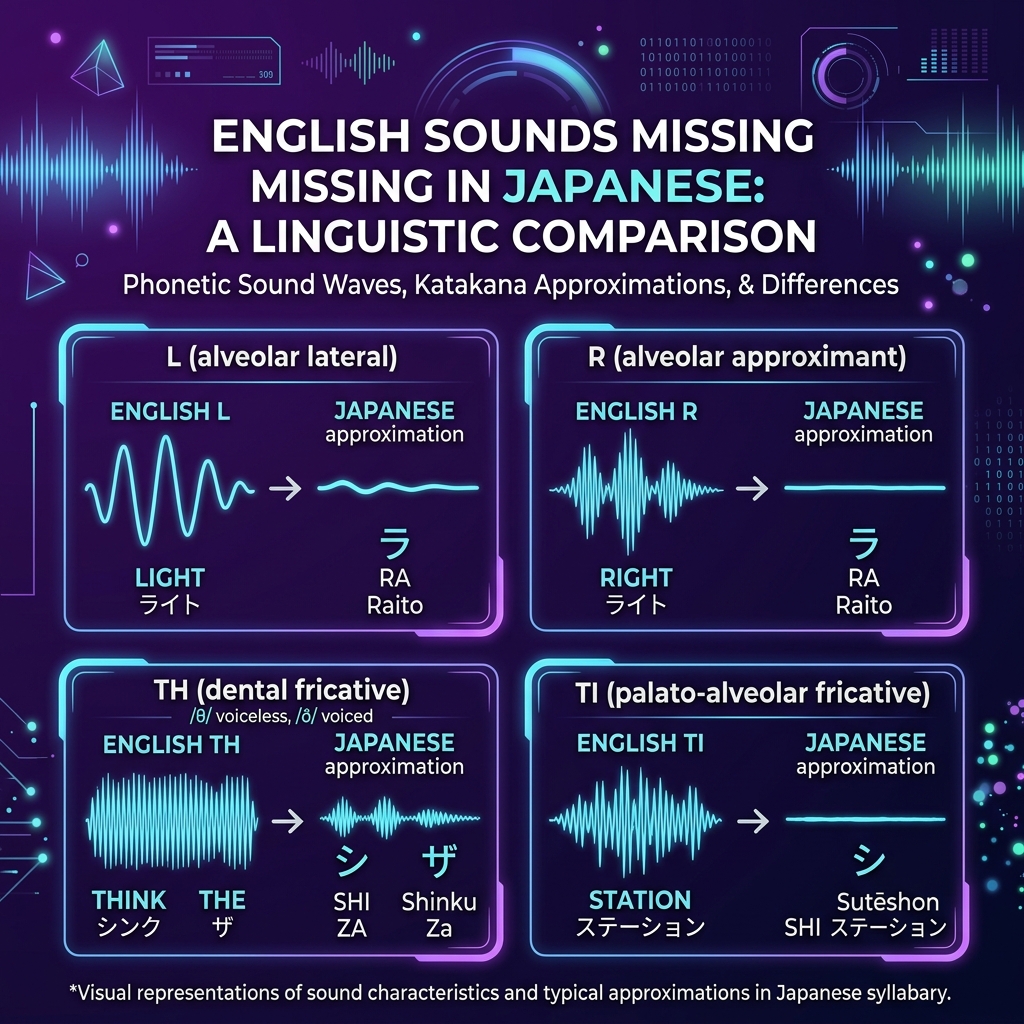
You do not have to settle for 19th-century approximations. If your name has modern sounds like "ti", "di", "fa", or "we", use extended combinations: Timothy → ティモシー (not *チモシー); Wendy → ウェンディ (not *ウエンデイ). For full details on why these combinations exist, review our deep dive on English Sounds That Don't Exist in Japanese.
4. The "Middle Dot" Rule: Separate Your Names with Nakaguro (・)
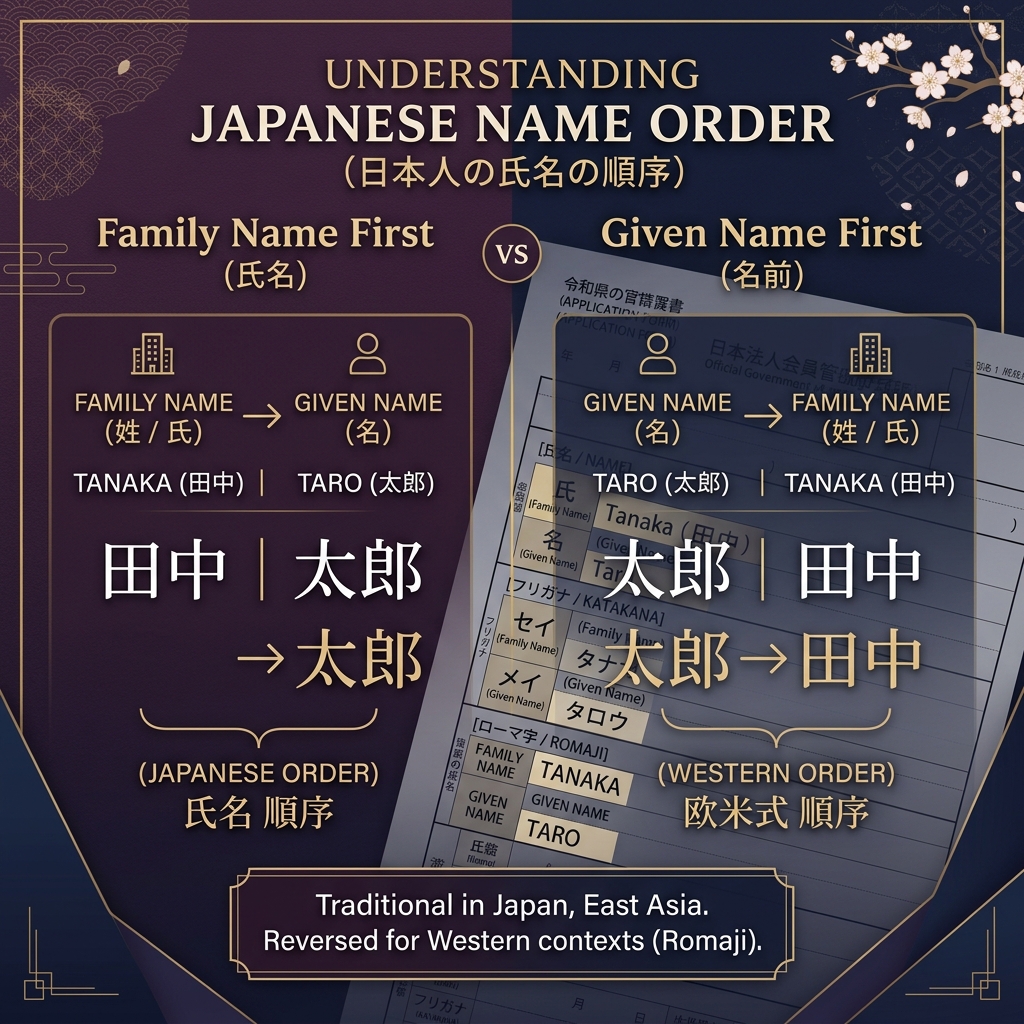
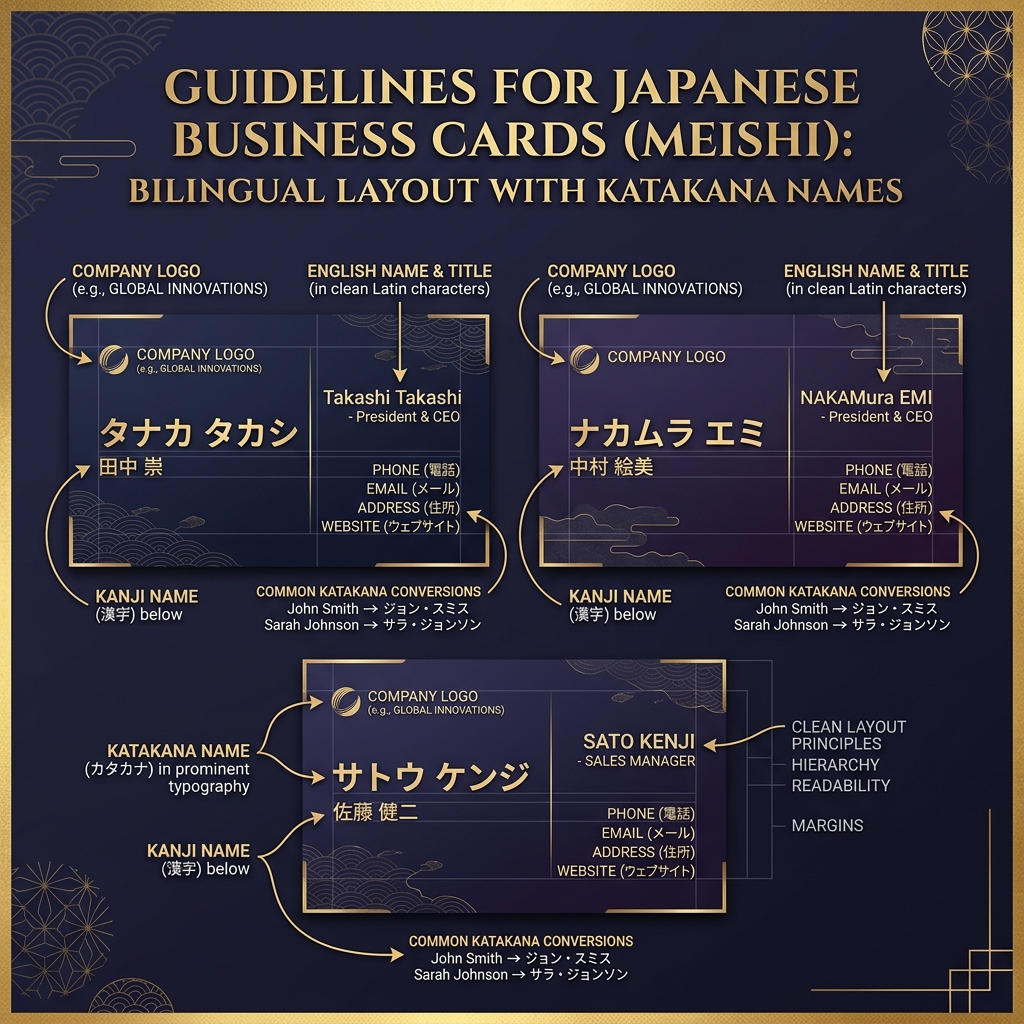
Never run your given name and surname together into one unbroken string. Always insert a centered dot (・) between your names. For professional presentation and official documents, see our companion guide on Japanese Name Order Explained.
5. The "Ronaldo & Hamilton" Rule: English Final "L" Always Becomes "Ru"
Whether your name is Paul, Daniel, Rachel, or Joel, English "L" at the end of a word or syllable universally converts to ル (ru): Paul → ポール; Daniel → ダニエル; Joel → ジョエル.
Bonus Insight: Celebrity Nicknames and Media Truncations in Japanese
In Japanese entertainment media and fan culture, foreign celebrities frequently acquire standardized affectionate nicknames (愛称, aishō). These shortened Katakana forms reveal how Japanese speakers naturally compress multisyllabic foreign names for effortless conversational rhythm:
- Leonardo DiCaprio: Often affectionately called レオ様 (Leo-sama, "Lord Leo") by Japanese media and fan clubs since his Titanic breakthrough.
- Brad Pitt: Commonly referred to as ブラピ (Bura-pi)—a classic Japanese portmanteau blending the first two morae of his given name (ブラ) and surname (ピ).
- Angelina Jolie: Universally known across Japanese variety television as アンジー (Anjī).
- Tom Cruise: Frequently celebrated in Japan as 親日家 (shinnichika, Japanophile), having visited Japan more than 25 times and earning his own official "Tom Cruise Day" (October 6) recognized by the Japan Anniversary Association!
Understanding these conversational truncations demonstrates that while your full legal Katakana name provides dignity and precision, friends and coworkers in casual Japanese social circles may naturally shorten your name to its first two or three punchy morae (e.g., Alexander becoming アレックス Arekkusu, or Benjamin becoming ベン Ben).
Try the Tool: Convert Your Name to Katakana
Ready to apply these celebrity naming patterns to your own first name and surname?
Generate Your Personalized Katakana Name
Use our free Name to Katakana Converter to test different spelling variations, verify long vowel marks, and discover your authentic Japanese signature.
Convert Your Name to Katakana →Frequently Asked Questions
How are Hollywood celebrity names written in Japanese?
Hollywood celebrity names are officially written in Katakana. Japanese movie distributors, publishers, and news agencies establish standardized Katakana spellings based on authentic phonetics, separating the given name and surname with a centered middle dot called a nakaguro (・)—for example, Tom Cruise is トム・クルーズ.
Why do some celebrity names use a long dash (ー) in Katakana?
The horizontal dash is called a chōonpu (長音符). It indicates an elongated vowel sound (holding the vowel for two beats instead of one). It is used to capture stressed English vowels and diphthongs, such as the 'ē' in James (ジェームズ) or the 'ū' in Cruise (クルーズ).
Why do athlete names like Brad Pitt or Lionel Messi use a small tsu (ッ)?
The small tsu (ッ) is called a sokuon (促音). It marks a sudden glottal stop or doubled consonant. In names like Pitt (ピット) or Messi (メッシ), it reproduces the sharp, clipped consonant stop characteristic of natural English and European pronunciation.
Can I use the Katakana spelling of a celebrity who shares my name?
Yes, absolutely! Borrowing the established Katakana spelling of a famous actor, singer, or athlete who shares your given name or surname is one of the safest and most natural ways to choose your own Japanese name, as it guarantees immediate recognition by native speakers.
Sources & References
- Motion Picture Producers Association of Japan (日本映画製作者連盟) — Foreign Film Title & Cast Transliteration Guidelines
- NHK Broadcasting Culture Research Institute — Standard Notation for International Public Figures & Athletes
- Oricon Entertainment — Japanese Celebrity & Media Database Transliterations
- Agency for Cultural Affairs, Japan — Modern Gairaigo Usage Guidelines